Telco
Securing the networks that carry the world, physically isolating core telco infrastructure, satellite uplinks, OSS/BSS systems, and third-party access points from threats across every domain at the connection layer.

Securing the networks that carry the world, physically isolating core telco infrastructure, satellite uplinks, OSS/BSS systems, and third-party access points from threats across every domain at the connection layer.
Telecommunications networks span seven converged domains, from core switching and OSS/BSS platforms to satellite uplinks and edge compute nodes, forming the backbone of every other critical sector and a primary target for ransomware, state-sponsored actors, and supply chain attacks.
The coexistence of legacy SS7 systems and next-generation 5G, NFV, and edge architectures creates a widening security gap that software controls alone cannot close.
FireBreak™ physically isolates critical assets across all seven domains, making them invisible, unreachable, and effectively non-existent to the threat landscape on demand.
When supplier ports are disconnected by default, satellite command links can be severed instantly, and backup environments are hardware air-gapped from production, lateral movement has nowhere to go.
FireBreak™ integrates with SIEM/SOAR platforms for machine-speed isolation, protects legacy systems without modification, and enforces Zero Connectivity Assurance, where the absence of connection, not merely its encryption, defines the highest standard of protection.
Fully aligned with the UK Telecommunications (Security) Act, EU NIS2, CISA guidelines, and ITU/ENISA CNI frameworks.

Telecommunications spans seven converged domains: network infrastructure, telecom equipment, software and systems integration, telecom services, satellite communication, consultancy, and R&D, each with distinct attack surfaces and interdependencies that amplify systemic risk.
The coexistence of legacy SS7 and 2G/3G systems with next-generation 5G, NFV, and edge compute architectures creates a widening security gap between what can be protected and what remains exposed, often within the same network.
IT/OT/IoT convergence connects enterprise networks, operational systems, and billions of endpoints; a single compromised node can cascade across carrier, enterprise, and satellite networks simultaneously.
Regulatory frameworks, including the UK Telecommunications (Security) Act, EU NIS2, CISA guidelines, and ITU/ENISA CNI standards, are raising the bar on physical segmentation, resilience, and auditability, with board-level accountability extending to operational infrastructure.
Hundreds of suppliers, integrators, and managed service providers require persistent privileged access across multiple environments, creating shared exposure risk that is difficult to manage with software controls alone.
Legacy OSS/BSS and switching systems are deeply embedded in live operations, cannot be easily patched or replaced, and cannot run modern endpoint security, yet remain permanently connected.
5G, edge, and NFV architectures decentralize the network, reducing visibility and making lateral movement containment faster and more difficult than in centralized environments.
Satellite command and control links, submarine cable stations, and remote edge nodes face hybrid cyber-physical threats that conventional segmentation cannot address.
Backup and disaster recovery infrastructure connected to primary networks remains exposed to the same ransomware or wiper attacks it is designed to withstand.
Complex, multi-vendor security stacks create alert fatigue and configuration gaps in a sector where even minutes of NOC disruption can cascade into regional service outages.

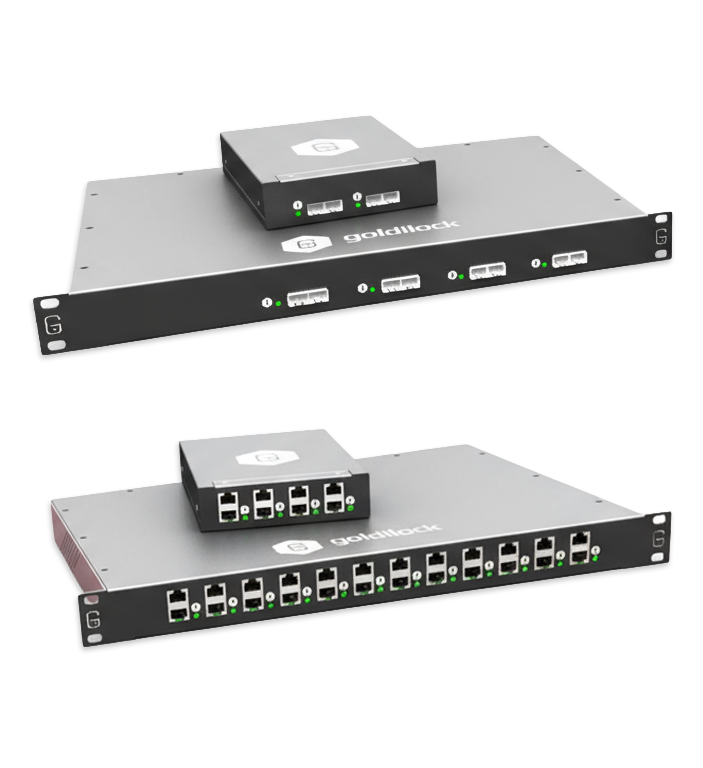
FireBreak™ delivers physical deep segmentation across all seven telecom domains by being deployed at critical boundaries, between management and data planes, core and access networks, OSS/BSS and operational infrastructure, and NOCs and satellite uplinks, creating hardware-enforced isolation that is immune to software-layer compromise and independently verifiable.
Zero Connectivity Assurance ensures that when a FireBreak™-protected segment is disconnected, it has no IP address, no logical route, and no exploitable endpoint. It is not just offline, it is non-existent to the threat landscape.
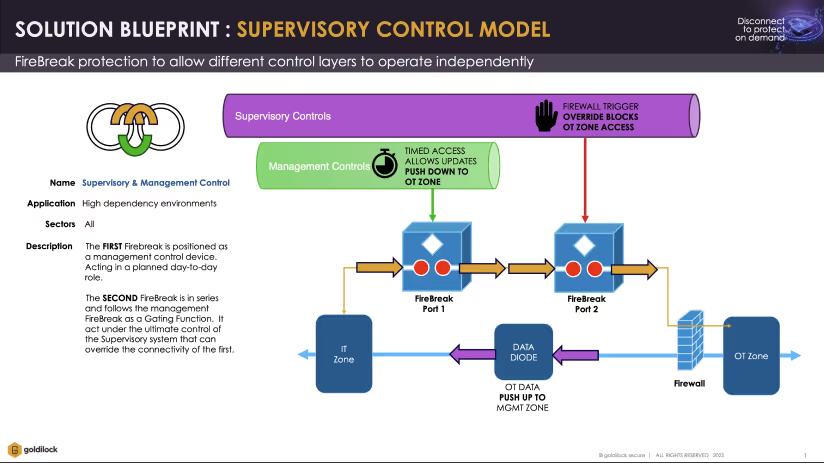
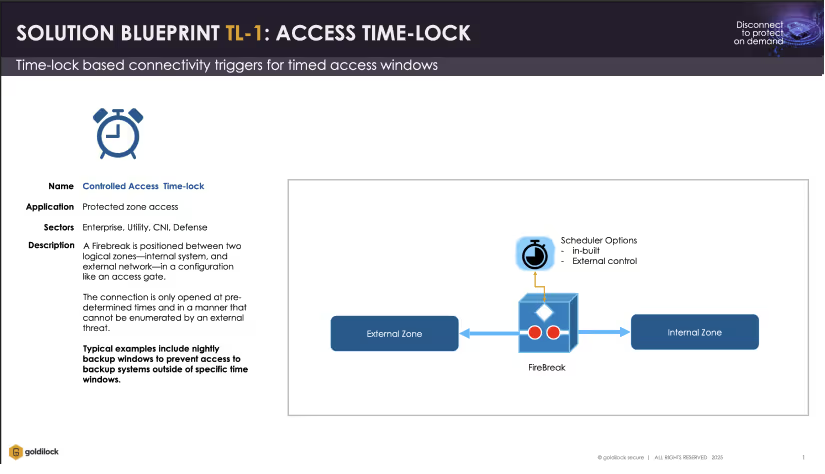
FireBreak™ enables controlled, time-limited supplier and third-party access, where ports are disconnected by default and opened only for pre-authorized, cryptographically verified, time-bound windows with immutable logs. Access is physically granted and physically revoked.
Integration with SIEM/SOAR platforms enables machine-speed response, where rogue provisioning commands, signaling tampering, or abnormal control-plane activity trigger instant hardware-level isolation without waiting for manual intervention.
Legacy systems are protected without modification, with SS7, 2G/3G, and legacy OSS/BSS assets isolated at the physical layer without requiring agents, patches, or reconfiguration.
FireBreak™ also protects satellite and subsea infrastructure by physically disconnecting command uplinks and ground station interfaces during suspicious activity or maintenance windows, ensuring absolute separation between terrestrial control systems and orbital assets.
The solution supports compliance across major frameworks including the UK Telecommunications (Security) Act, EU NIS2, CISA, the U.S. Secure and Trusted Communications Networks Act, ISO/IEC 27001, and ENISA/ITU CNI standards, providing hardware-enforced, auditable evidence that regulators can independently verify.
If you're still in search of answers, we encourage you to explore our informative FAQ section.